
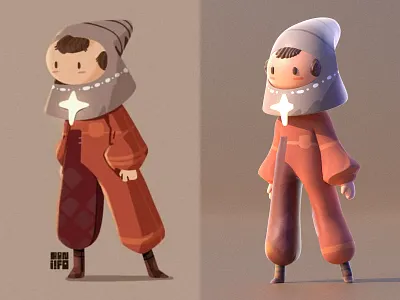
Designing Without Dialogue: Expressive Characters
In the world of video game design, creating characters that can captivate players without uttering a single word is no easy feat. Designing expressive characters is crucial in immersing players in the game’s narrative and creating emotional connections that can enhance the overall gaming experience. Through visually appealing designs, body language, facial expressions, and animations, developers can bring their characters to life in a way that transcends language barriers.
Character design is a fundamental aspect of any video game as it sets the tone for the entire gaming experience. While dialogue and voice acting can certainly enhance character development, creating characters that can communicate their personalities and emotions solely through visual cues requires a different set of skills. Expressive character design is an art form that can make or break a game, as it directly impacts how players perceive and engage with the game world.
One of the key elements of designing expressive characters is paying attention to detail. Every aspect of a character’s design, from their clothing and accessories to their body language and facial expressions, should be carefully considered to convey their personality and emotions. A character’s design should be cohesive and reflective of their backstory, motivations, and relationships with other characters in the game. By paying attention to these details, developers can create characters that feel real and relatable to players.

Another important aspect of designing expressive characters is creating dynamic animations that can convey a wide range of emotions. Animations play a crucial role in bringing characters to life and making them feel more human. By incorporating subtle movements, gestures, and expressions into their animations, developers can add depth and complexity to their characters, making them more engaging and memorable to players.
In addition to animations, facial expressions are vital in conveying emotions and reactions in a game. A character’s face can communicate a wealth of information, from their mood and intentions to their thoughts and feelings. By designing expressive facial animations that accurately reflect a character’s emotions, developers can create more immersive and impactful storytelling experiences for players.
It’s also important for developers to consider the cultural and social context in which their characters exist. Different cultures have different norms and values, which can influence how characters are perceived by players. By understanding these cultural nuances and incorporating them into their character designs, developers can create more authentic and inclusive gaming experiences that resonate with a diverse range of players.
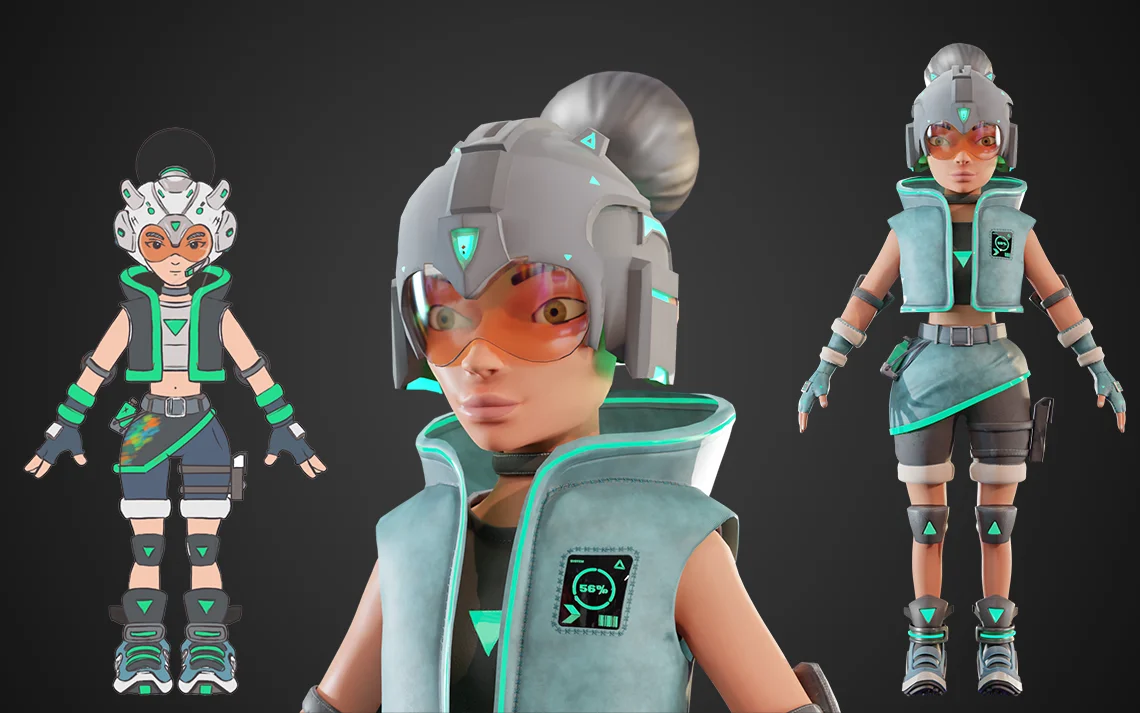
One great example of a game that excels in designing expressive characters without dialogue is “Journey” by Thatgamecompany. In this award-winning indie game, players control a robed figure on a journey through a mysterious desert landscape. Despite the lack of dialogue, the game’s expressive character design and animations effectively convey a sense of loneliness, wonder, and determination, drawing players into the emotional journey of the protagonist.
In “Journey,” the character’s flowing robes, graceful movements, and subtle gestures all contribute to their expressive design. The character’s scarf also serves as a visual indicator of their progress and growth throughout the game, becoming longer and more vibrant as they overcome obstacles and reach new heights. By relying on visual storytelling techniques, “Journey” creates a powerful and immersive gaming experience that resonates with players on a deep emotional level.
Another example of a game that uses expressive character design to great effect is “Ori and the Blind Forest” by Moon Studios. In this visually stunning platformer, players control Ori, a small spirit guardian who embarks on a quest to save the forest from impending darkness. Through Ori’s intricate animations, fluid movements, and expressive facial expressions, players can empathize with the character’s struggles and triumphs as they navigate the game world.
“Ori and the Blind Forest” also utilizes environmental storytelling to enhance the character’s narrative arc. The game’s lush landscapes, atmospheric lighting, and dynamic weather effects all contribute to Ori’s emotional journey, creating a rich and immersive world for players to explore. By seamlessly blending gameplay, art design, and storytelling, “Ori and the Blind Forest” showcases the power of expressive character design in creating impactful gaming experiences.
In conclusion, designing expressive characters without dialogue is a challenging yet rewarding endeavor for game developers. By paying attention to detail, creating dynamic animations, designing expressive facial expressions, considering cultural context, and utilizing environmental storytelling, developers can craft characters that can captivate players and enhance the overall gaming experience. Through visual storytelling techniques, developers can create characters that resonate with players on an emotional level, forging buy vps hosting deep connections that can last long after the game is completed. By putting in the time and effort to design expressive characters, developers can elevate their games to new heights of storytelling and immersion, creating memorable gaming experiences that leave a lasting impact on players.